

Gogi-gui
As a family-owned restaurant in Northbrook, we are proud to serve a beloved Korean culinary experience, gogi-gui, to Chicagoland. Come discover the boundless flavors of Korean barbecue, featuring the finest à la carte cuts of premium meat, and see why we have remained a local favorite for over a decade.
Hours
| Sunday | 4–09:45 PM |
| Monday | 4–10:45 PM |
| Tuesday | 4–10:45 PM |
| Wednesday | 4–10:45 PM |
| Thursday | 4–10:45 PM |
| Friday | 4–10:45 PM |
| Saturday | 4–10:45 PM |
last seating
9:00PM Sun
9:30PM Mon–Sat
Limited reservation availability for parties of 8 or more.
Please call to book
What is gogi-gui?
In Korea, dining is a deeply social activity, best exemplified by gogi-gui (고기구이), or Korean barbecue. This cherished tradition of grilling meat tableside fosters a sense of togetherness and engagement, making it a cultural experience centered on bringing families, friends, and colleagues together over a shared meal.Our dining setup replicates the communal atmosphere of traditional Korean barbecue. Guests grill at their own tables, allowing them to engage in the process and enjoy the meat at its peak temperature.
why à la carte?
No compromises. We meticulously source our premium cuts to ensure the highest standards of quality—something all-you-can-eat restaurants often take shortcuts on. We also keep things straightforward with a menu emphasizing pork and beef cuts, which is why we do not offer appetizers or desserts.
what is samgyupsal?
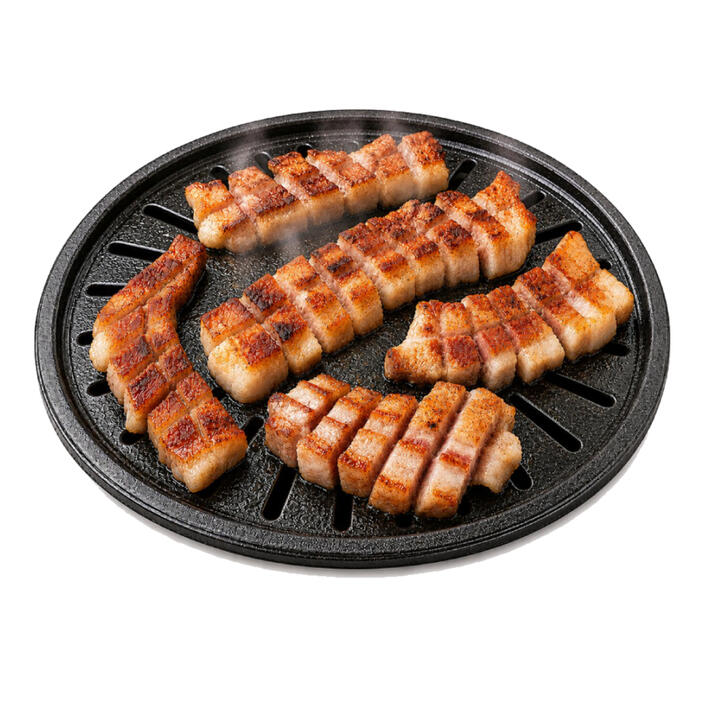
Samgyupsal (삼겹살) is a popular type of grilled meat in Korean barbecue. The pork belly is unmarinated and unseasoned, and traditionally served with two dipping condiments: ssamjang (쌈장) and gireum-jang (기름장).We serve eight different cuts of premium pork alone, highlighted by our special cut samgyubsal (벌집 삼겹살), or honeycomb-cut pork belly—scored by hand to tenderize and expose more surface area of the thick pork slabs for grilling perfection.
what is galbi?
The highlight of our savory beef cut selection is galbi (갈비), or short ribs. These can be ordered either unmarinated, called saeng-galbi (생갈비), or as a marinated version, yangnyeom-galbi (양념갈비).We score diamond cuts into the galbi slab for enhanced tenderization. Grilled for just a few minutes, the short ribs are delicious when dipped into ssamjang and wrapped with pa muchim (파무침), or seasoned shredded scallions.
what is ssamjang?
Ssamjang is a thick, spicy paste made from a seasoned mixture of fermented soybean paste (doenjang; 된장) and red chili paste (gochujang; 고추장). In Korean cuisine, it is traditionally used with food wrapped in a leaf; "ssam" (쌈) means wrapped, while "jang" (장) means paste or thick sauce. Together, ssamjang literally translates to "wrapping sauce" and is a staple of Korean barbecue culture.
what about the other sauce?
The other dipping condiment is gireum-jang, an oil primarily used with grilled samgyubsal or chadolbaegi (차돌박이), which is a very thinly sliced, unmarinated beef brisket with rich, marbled fat. This simple, highly savory Korean dipping sauce is made with toasted sesame oil, salt, and black pepper.
what is banchan?
Our selection of meats is complemented by a modest set of shared sides, known as banchan (반찬), which are thoughtfully prepared to provide the best flavor accompaniment.Standard sides include sliced white onion, garlic cloves, Korean green chili peppers (cheong-gochu; 청고추), and kimchi (김치). These are often grilled alongside the curved surface of the grill top, utilizing the meat fat trickling downward for added flavor.Various pickled vegetables, including kkakdugi (깍두기)—a cube-sliced kimchi made from Korean radish—along with myeongi-namul jangajji (명이나물 장아찌), or garlic leaves pickled in soy sauce, which are very similar to ramps.Our wrapping vegetables include lettuce, seasoned shredded scallions (pa muchim), and pickled radish paper called ssammu (쌈무). Lastly, soybean paste stew (doenjang-jjigae) and rice complement the rich flavors of grilled meat to for a balanced meal.
Get it? Got it? Good!
Korean barbecue is truly a communal experience driven by jeong (정)—an emotional bond between people that grows over time through shared moments of great food, great company, and lasting memories. We look forward to sharing this beloved culinary experience with you.

ssam it up!
We recommend making your own bite-sized wraps called ssam (쌈). First, dip the meat into the sesame oil laced with black pepper, into the ssamjang paste, or both, then wrap it up inside a lettuce leaf. If you are feeling adventurous, throw in any combination of banchan inside the lettuce ssam to create your own unique umami flavor – there really is no wrong way to do it!



barbecue
돼지고기
Special Cut Pork Belly
벌집 삼겹살
(Beoljib Samgyubsal)Sliced Pork Belly
생 삼겹살
(Saeng Samgyubsal)Thin Sliced Pork Belly
대패 삼겹살
(Daepae Samgyubsal)
(2 Order Minimum) / (2인분이상) Red Wine Pork Belly
생와인 삼겹살
(Saeng-Wine Samgyubsal)
Marinated Special Cut Pork
양념벌집
(Yangnyeom Beoljib)Sliced Pork With Skin
제주 오겹살
(Jeju Ogyeopsal)Sliced Pork Neck
목살
(Moksal)Sliced Pork Jowl
항정살
(Hangjeongsal)
소고기
Boneless Premium Short Ribs
갈비살
(Galbi-Sal)
(2 Servings) / (2인분) Premium Short Ribs
생갈비
(Saeng Galbi)Marinated Premium Short Ribs
양념 갈비
(Yangnyeom Galbi)
Premium Brisket
차돌박이
(Chadolbaegi)
(2 Order Minimum) / (2인분이상) Beef Tripe
소 양구이
(Soyang-Gui)
Includes complimentary set of rice (bap-gonggi) and soybean paste stew (doenjang-jjigae) (subject to availability). Extra servings of doenjang-jjigae and rice at additional cost. 생구이류는 밥과 된장찌개가 제공됩니다 (단 된장찌개는 제한됩니다).
savory
탕류
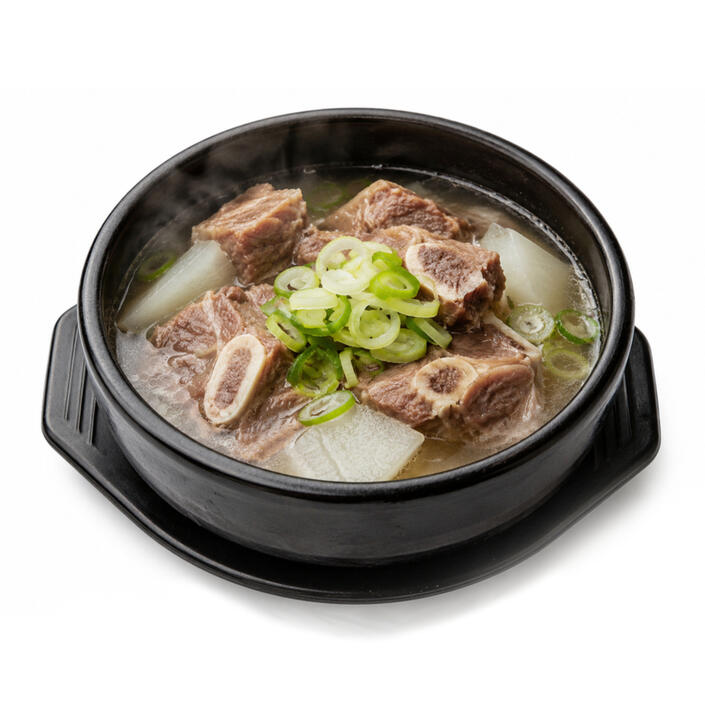
Short Rib Soup
갈비탕
(Galbi-Tang)Beef Bone Soup
따로 국밥
(Ttaro-Gukbap)Radish Stem Soup
무청 시래기 해장국
(Mucheong Siraegi Haejangguk)Kimchi Stew
김치찌개
(Kimchi-Jjigae) All soups served with a side of rice (bap-gonggi)
면류
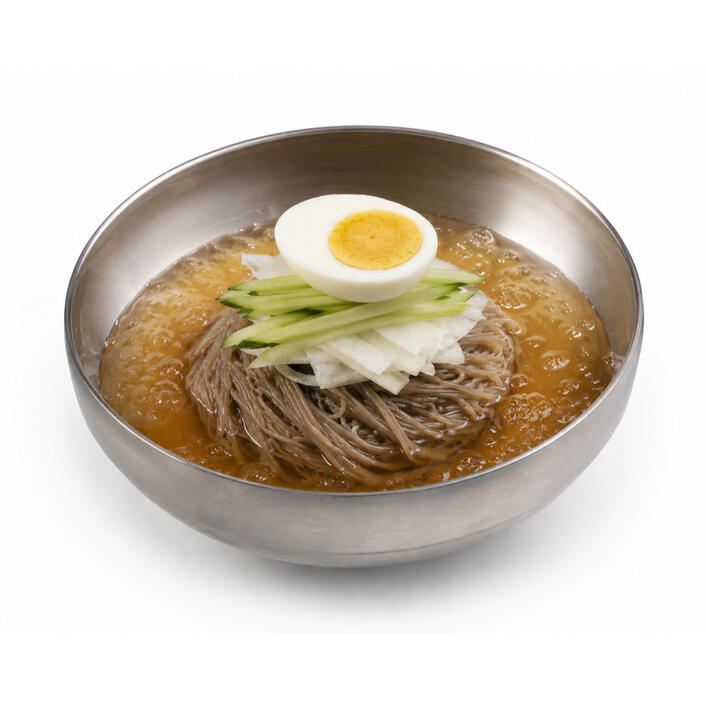
Cold Noodles in Chilled Broth
물냉면
(Mul-Naengmyeon)Spicy Cold Noodles
비빔냉면
(Bibim-Naengmyeon)
기타의
Aged Kimchi with Pork Belly
묵은지 삼겹살 김치찜
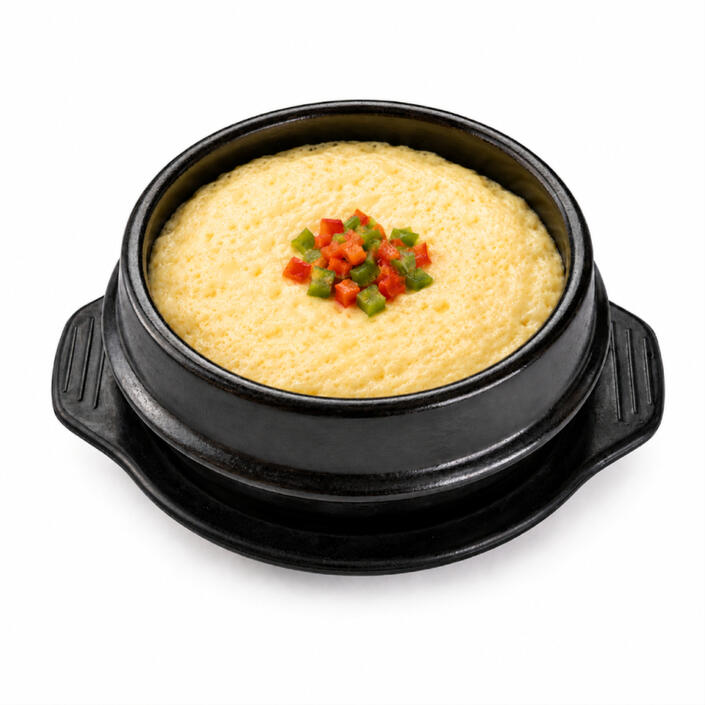
(Mugeunji Jjim)Korean Steamed Eggs
계란찜
(Gyeranjjim)Korean Thistle Rice
곤드레 나물밥
(Gondeure Namulbap)
소주
Cham Soju
참소주Chamisul
참이슬Chum Churum
처음처럼Hallasan 17°
한라산 17도Hallasan 21°
한라산 21도Hallasan Zero
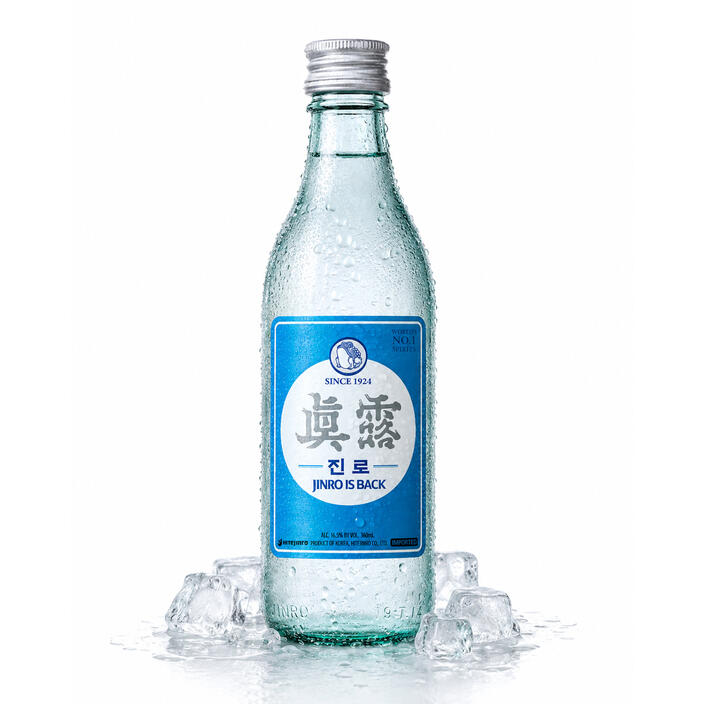
한라산Jinro Is Back
진로 이즈백Kumbokju Classic
금복주Saero
새로
과일소주
Apple
Coconut
Grapefruit
Green Grape
Hibiscus
Honeydew
Lychee
Mango
Orange
Passionfruit
Peach
Pineapple
Tropical
Strawberry
Watermelon
Yellow Citron
Yogurt
기타 주류
Bokbunja
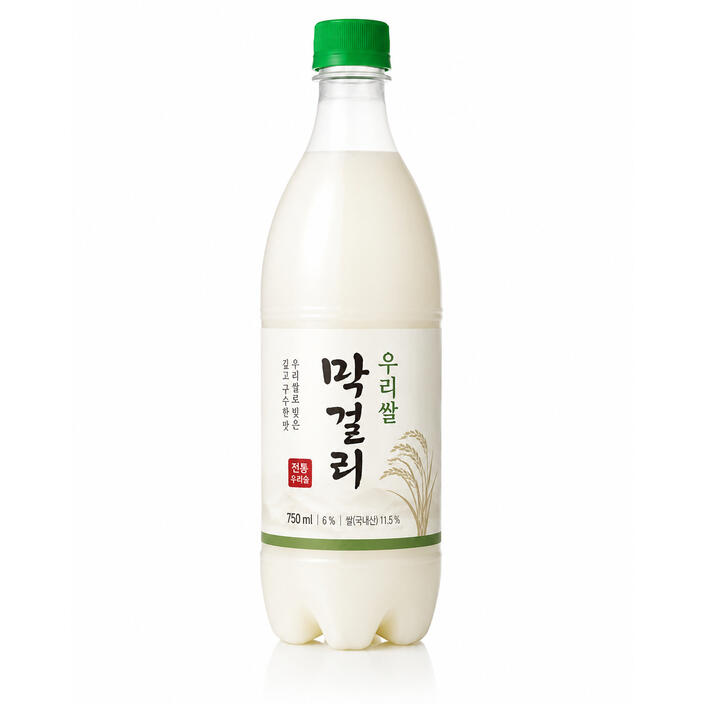
복분자Makgeolli
막걸리Seoljoongmae
설중매Sake
사케
(S or L)
맥주
Cass
(S or L) Kloud
(L) OB
(L) Sapporo
(L) Miller Lite
(S)